Preventative Property Maintenance Checklist
Preventative Property Maintenance Checklist: What Should You Be Checking?
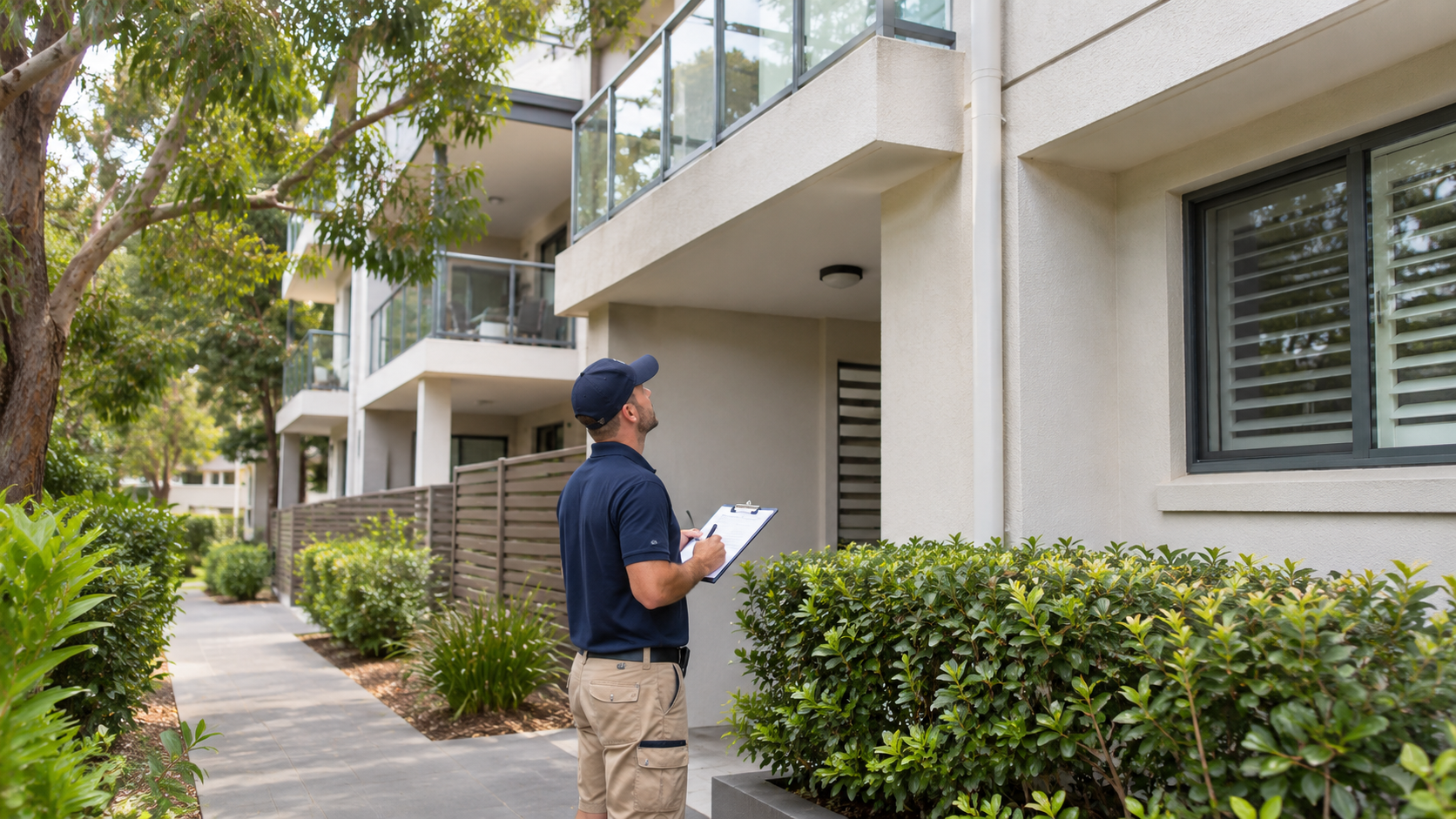
Property maintenance is easier to manage when you identify problems before they become urgent.
A small leak, blocked drain, damaged fence or deteriorating section of timber may seem minor at first. Left unattended, the problem can get worse, disrupt residents or tenants and become more expensive to put right.
That's why preventative property maintenance matters. Instead of waiting for something to fail, a planned approach helps property managers spot issues, record them and arrange appropriate action.
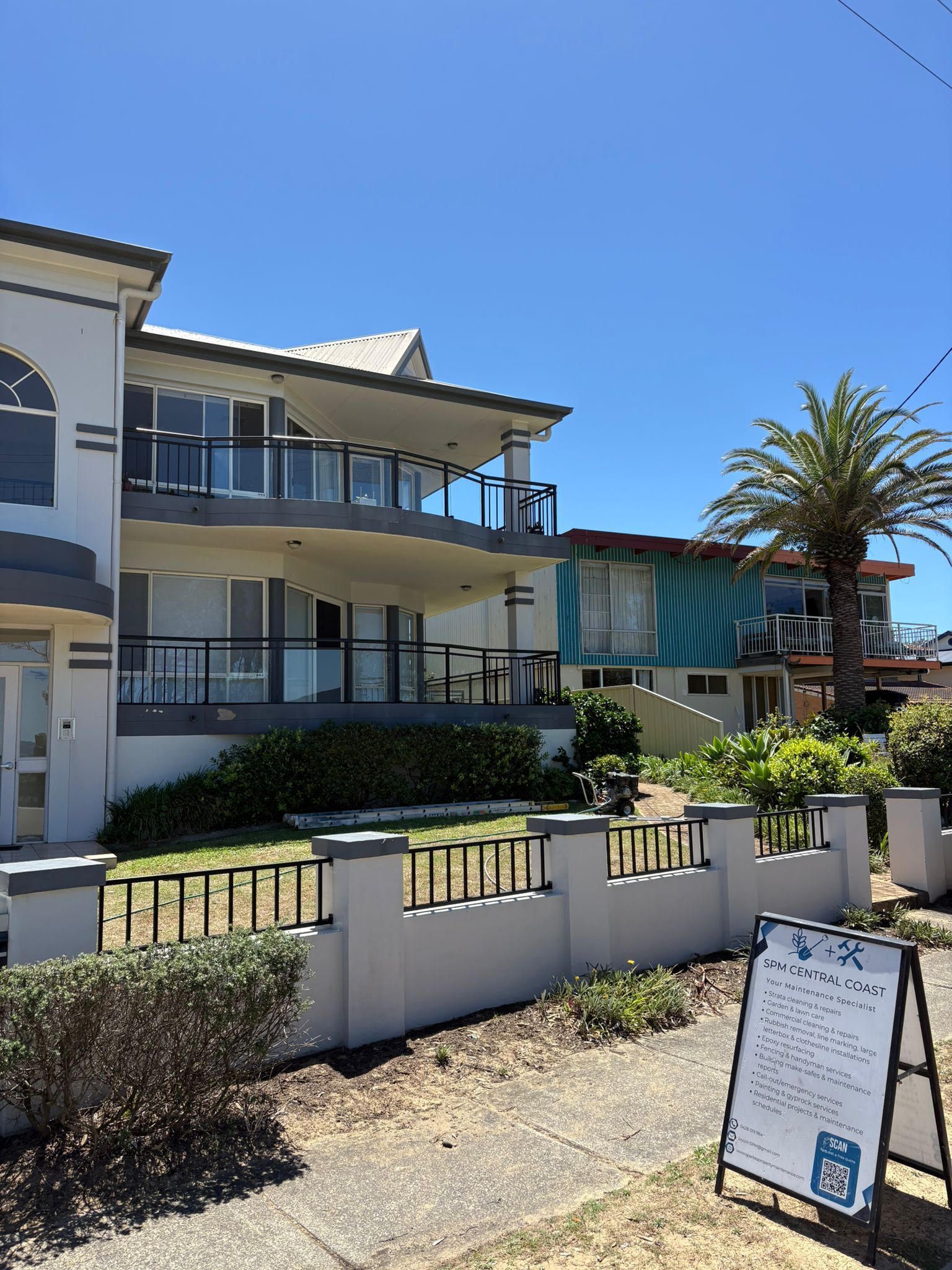
For strata and commercial properties across the Central Coast, including Terrigal, Gosford and Tuggerah, a simple preventative property maintenance checklist is a practical starting point. Here's what to review and what to do when something needs attention. A strata building rarely has just one maintenance issue to manage.
1. Check the Building Exterior, Paint and Finishes
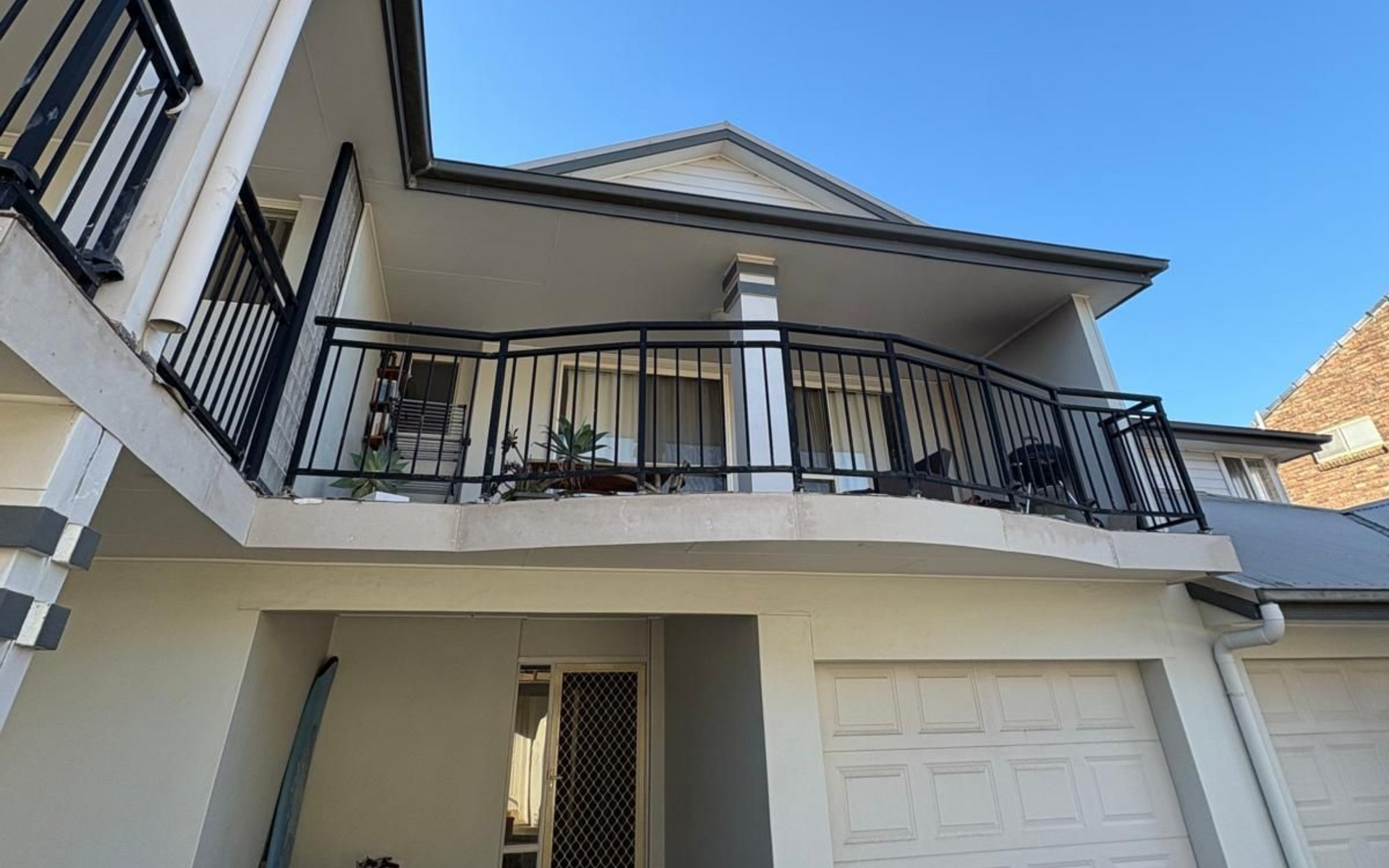
Start with a visual check of the outside of the property. External areas are exposed to sun, rain, wind and everyday wear, so small signs of deterioration can develop over time.
Look for:
- Cracks, damaged cladding or deteriorating external surfaces
- Peeling, faded or bubbling paint
- Exposed or deteriorating timber
- Loose fixtures, damaged fencing and corrosion
- Water staining around walls, windows and doors
- External surfaces that need cleaning or maintenance painting
Minor repairs and painting can often be planned as part of ongoing maintenance. If a crack, movement or other defect looks unusual or is getting worse, arrange an assessment by an appropriately qualified professional rather than assuming it is cosmetic.
SPM Central Coast can assist with coordinating general repairs, painting and carpentry, with each type of work carried out by the appropriate trade and within the scope of applicable licences. See our services and trades.
2. Look for Leaks, Moisture and Waterproofing Issues
Water problems can cause significant disruption in strata and commercial buildings, particularly when the source isn't obvious.
Look for:
- Water stains or damp patches on walls and ceilings
- Bubbling paint, mould or unusual odours
- Deteriorating grout, cracked tiles or failed sealants
- Moisture around balconies, terraces and wet areas
- Water entering around windows or doors
The priority is to investigate the cause, not just repair the visible damage. Repainting a damp wall, for example, won't solve an ongoing leak.
Where leak detection, waterproofing or remedial work requires specialist expertise or a licence, SPM can help coordinate the relevant appropriately licensed contractor under suitable contracting arrangements.

3. Inspect Gutters, Drains and Stormwater Areas
Drainage issues often become obvious during heavy rainfall. Check safely accessible areas as part of routine inspections, particularly before periods of wet weather.
Look for:
- Blocked drains or grates
- Built-up leaves and debris
- Water pooling on paths, car parks or landscaped areas
- Overflowing gutters or visible leaks
- Erosion, poor surface drainage or water flowing where it shouldn't
Regular cleaning and reporting can prevent small obstructions from being overlooked. Drainage alterations, plumbing and stormwater investigations should be referred to appropriately qualified or licensed specialists when required. Do not access roofs, heights or confined spaces without suitable professionals.
4. Check Common Areas and High-Traffic Spaces
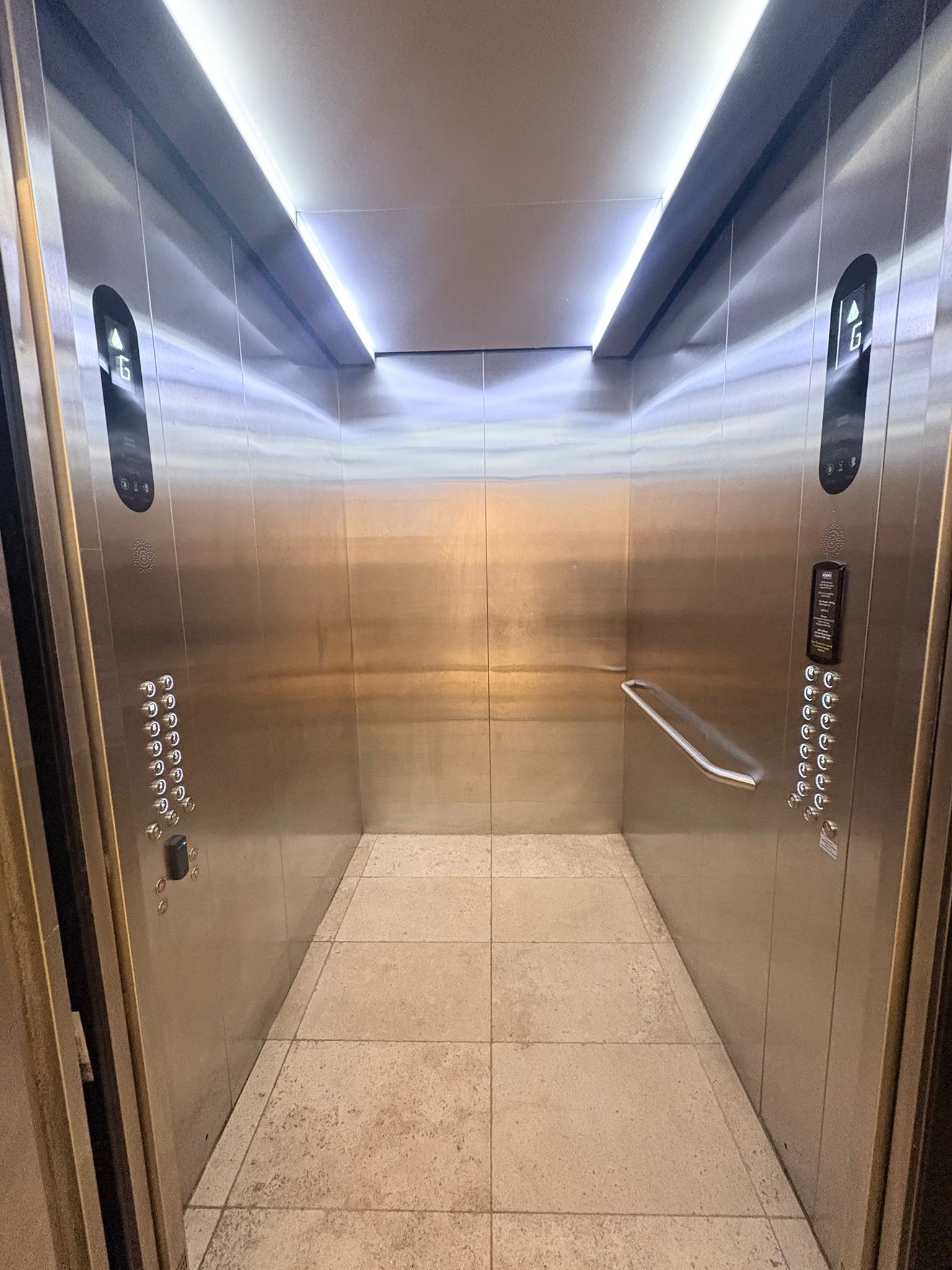
Shared spaces often experience the most wear. Walk through entrances, foyers, corridors, stairwells, lifts, car parks and other common areas.
Look for:
- Damaged walls, floors or finishes
- Loose handles, fittings or handrails
- Doors that don't close correctly
- Trip hazards and damaged pathways
- Failed lighting or damaged signs
- Wear and tear that needs repair or repainting
Record any safety concern promptly and follow the property's escalation process. Routine common-area repairs can be grouped into a maintenance schedule rather than waiting for individual complaints.
For ongoing support, see SPM's strata property maintenance services.
5. Review Gardens and Grounds
Grounds maintenance isn't only about presentation. Overgrown plants, fallen branches and blocked pathways can affect access, drainage and the everyday use of a property.
Look for:
- Overgrown lawns, hedges and garden beds
- Weeds and vegetation close to buildings
- Fallen leaves and debris
- Damaged paths or irrigation
- Trees or branches that may pose a hazard
- Areas needing pruning, mowing or general clean-up
Set a regular grounds-maintenance schedule that reflects the property's needs. Larger trees and potentially hazardous branches should be assessed by an appropriately qualified arborist.
6. Inspect Doors, Gates, Fences and Access Points
Frequently used doors, gates and access points can develop faults gradually.
Look for:
- Sticking doors or faulty closers
- Loose hinges, handles and fittings
- Locks or access points not working as intended
- Gates that don't close or latch correctly
- Deteriorating fences and garage access points
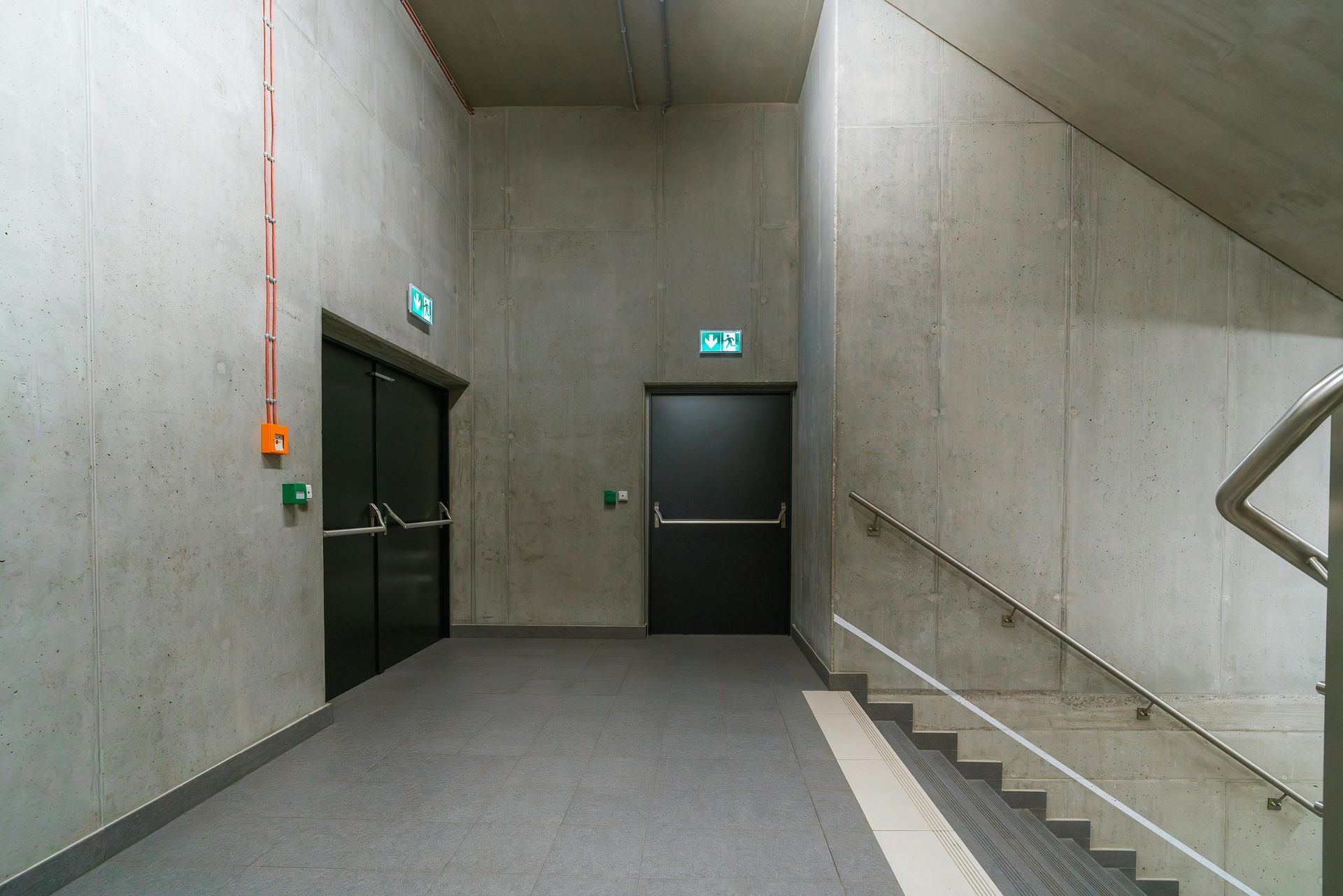
Addressing general wear early may reduce further damage and inconvenience. Fire doors, fire-safety systems and other regulated components must be checked and maintained by appropriately qualified or licensed providers in line with applicable requirements.
7. Review Cleaning and Presentation
Regular cleaning helps protect the condition and presentation of shared spaces. Review whether the current schedule matches the amount of foot traffic and the type of property.
Check:
- Entrances, foyers, lifts and stairwells
- Shared bathrooms, windows and internal common areas
- Car parks, pathways and external surfaces
- Bin rooms and other high-use spaces
- Whether periodic pressure cleaning is needed on suitable surfaces
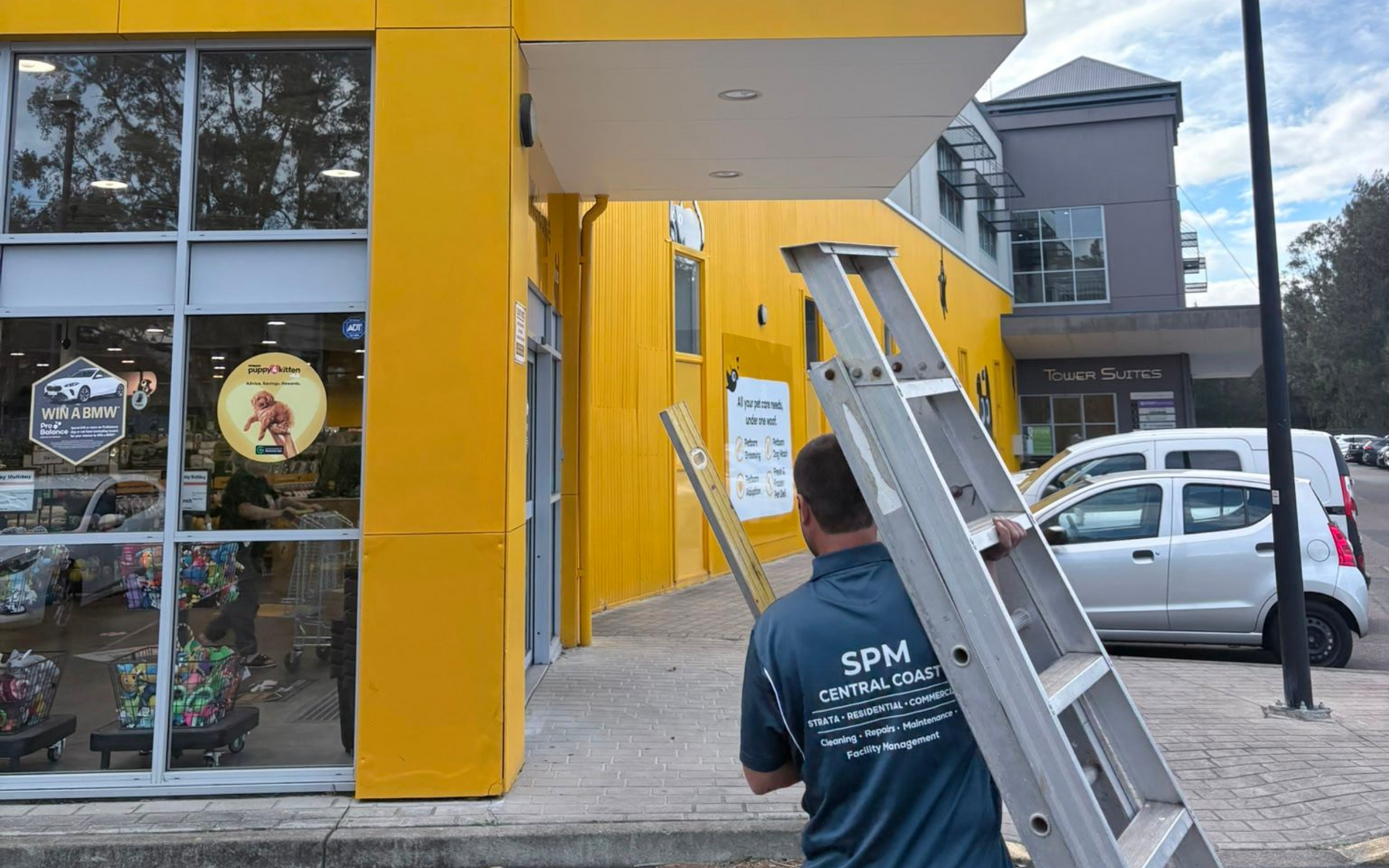
Some areas may need weekly or fortnightly attention, while others can be reviewed less often. SPM coordinates recurring internal and external cleaning, alongside broader commercial property maintenance.
8. Check Waste and Bin Areas
Bin management is easy to overlook until rubbish accumulates or a scheduled collection is missed.
Check:
- Whether collections are taking place as scheduled
- Whether bins are presented and returned correctly
- Bin cleanliness, damaged lids and overflowing waste
- The condition of bin rooms and surrounding areas
- Whether bulk rubbish needs removal
For suitable strata and commercial properties, regular waste management can include green, yellow and red bin services, bin cleaning, rubbish removal and common-area clean-ups. Assigning clear responsibility reduces the need for managers to chase recurring tasks.
9. Review Repairs That Keep Getting Delayed
Most properties have a list of jobs that are going to be done "later". Preventative maintenance should include reviewing that backlog, not just finding new defects.
Ask:
- Is the problem getting worse?
- Is it affecting residents, staff, tenants or visitors?
- Could delaying the job make the repair more complicated?
- Does it present an immediate safety or access risk?
- Is a specialist inspection needed before work can be quoted?
Keep a record of the issue, who is responsible and the next action. This gives strata committees and property managers a clearer view of outstanding work and helps them prioritise budgets.
10. Review Specialist Contractors and Compliance-Related Work
Not every maintenance task belongs with a general maintenance team. A building may require electricians, plumbers, fire-safety providers, arborists, waterproofing specialists or other qualified trades.
Check:
- Which contractor is responsible for each specialist task
- Whether the contractor holds the required licences, qualifications and insurance for the work
- Who arranges access and communicates with occupants
- Who approves quotes and follows up on progress
- How completion records and reports are kept
SPM Central Coast provides general maintenance and coordination services and works with a network of 23+ specialist contractors.
SPM carries out work within the scope of its contractor licence. Regulated or specialist work is undertaken by appropriately licensed or qualified contractors under suitable contracting arrangements and in accordance with applicable approvals.
This coordinated approach is part of SPM's facility management services on the Central Coast.
11. Have a Plan for Emergency Maintenance
Preventative maintenance helps identify risks early, but it cannot prevent every urgent problem.
Make sure the property has a clear response process for:
- Significant leaks or water damage
- Storm damage and fallen branches
- Unsafe access points or other hazards
- Urgent building repairs and make-safe work
- Contacting the appropriate emergency services or specialist trades
Keep contacts, access arrangements, escalation responsibilities and relevant building information up to date. If there is an immediate danger, follow emergency procedures and contact emergency services where appropriate.
How Often Should Preventative Property Maintenance Be Done?
There is no single schedule that suits every building. A large apartment complex in Terrigal may have different needs from a commercial building in Gosford or an industrial site around Tuggerah.
A practical starting point is:
- Weekly or fortnightly: cleaning, bin services, grounds care and presentation.
- Monthly: general visual checks, common-area reviews and minor repair follow-up.
- Quarterly: broader maintenance reviews, drainage and external-area checks, and review of outstanding works.
- Annually: maintenance budgets and planning, painting assessments, contractor arrangements and relevant specialist inspections.
These are examples, not mandatory inspection frequencies. The right program depends on building age, condition, usage, assets and applicable statutory, safety, insurance and compliance requirements. Required specialist inspections must follow their own schedules.
What Happens After You Identify a Maintenance Issue?
Spotting the problem is only the first step. The bigger challenge for many strata and facility managers is coordinating the work afterwards.
SPM Central Coast can help simplify the maintenance process through seven practical stages:
- Identify: Notice the issue during a routine check, a service visit or a resident report.
- Document: Record the location, description and suitable photographs, including any immediate safety concerns.
- Prioritise: Decide what needs urgent escalation and what can be planned, with specialist input where appropriate.
- Quote: Confirm the scope and arrange a quotation or specialist assessment when needed.
- Schedule: Arrange approved work, site access and contractor coordination.
- Complete: Have the appropriate maintenance team or specialist contractor carry out the work.
- Report: Provide updates, completion information and any recommendations for follow-up maintenance.
For a strata manager, this means fewer separate conversations with cleaners, gardeners, repair teams and specialist contractors. It also creates a clearer record of what has been identified, approved and completed.
Too Many Maintenance Jobs to Keep Track Of?
One of the biggest challenges with property maintenance isn't identifying what needs to be done. It's coordinating everything afterwards.
SPM Central Coast supports strata managers, owners corporations, facility managers and commercial property owners with routine maintenance, cleaning, grounds care, repairs, waste management and coordination of appropriately qualified specialist trades.
Instead of managing every task independently, you can have one central point of contact helping track maintenance across the property.
Request a FREE Initial Property Maintenance Consultation
Responsible for a strata or commercial property on the Central Coast? Let's discuss what you're managing and where SPM may be able to help.
Our FREE Initial Property Maintenance Consultation is an introductory conversation about your property's needs, current maintenance arrangements and possible next steps. It is not a free comprehensive site inspection, technical assessment or written facility management audit.
If a detailed on-site inspection, specialist investigation, condition assessment or written report is required, SPM can discuss the scope and provide a separate quotation before that work proceeds.
One team. One point of contact. Complete property care.
Call SPM Central Coast on 0428 019 964 or
enquire online to request your FREE Initial Property Maintenance Consultation.
Featured Resources
Check Our Latest Resources